Himalayan salt lamps have become a familiar feature in homes, yoga studios and wellness spaces across Australia. With their warm amber glow and natural aesthetic, they promise not only ambience but potential health perks too. But one of the most common claims surrounding these glowing crystals is that they purify the air. So, do Himalayan salt lamps actually live up to that promise?
Let’s take a closer look at the science, the myths, and what you can realistically expect from one of these popular wellness products.
What’s a Himalayan Salt Lamp?
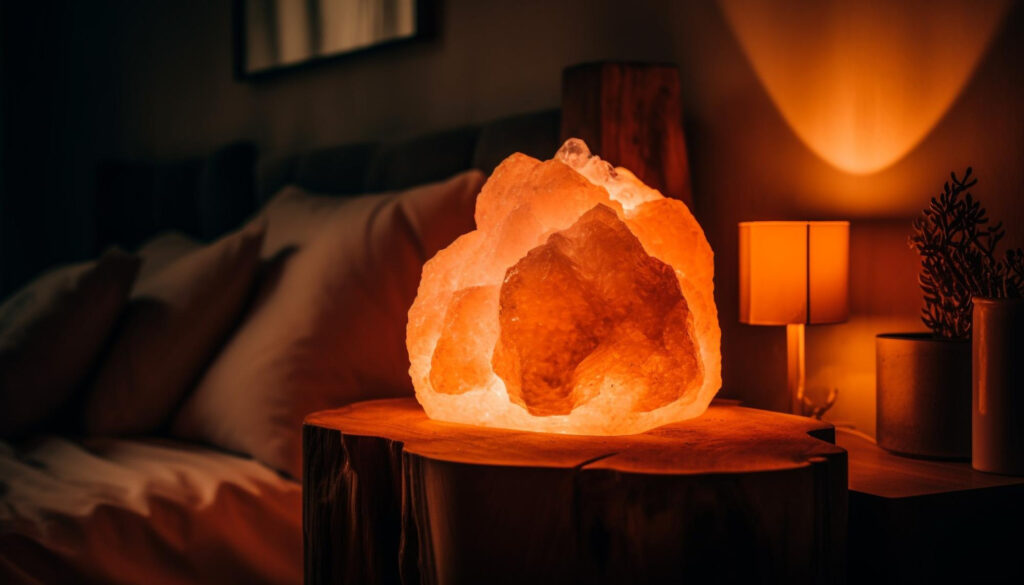
A Himalayan salt lamp is carved from large chunks of pink rock salt, typically sourced from the Khewra Salt Mine in Pakistan. A small light bulb or heating element is placed inside the hollowed-out salt crystal, producing a soft, warm glow. Many retailers link these lamps to the broader conversation around the health benefits of Himalayan pink salt, suggesting they may contribute to improved wellbeing in the home. Claims range from better sleep and mood enhancement to reduced allergies and cleaner indoor air.
But what does the evidence actually say?
The Air Purification Claim: Where Did It Come From?
The most common explanation behind the “air purifying” claim centres on two ideas:
- Hygroscopy – the ability of salt to attract water molecules from the air.
- Negative ion production – the belief that heated salt crystals release negative ions, which are thought to neutralise airborne pollutants.
Hygroscopic Properties
It’s true that salt is hygroscopic. In theory, a salt lamp could draw in small amounts of moisture from the air, and with it, tiny particles like dust, pollen or smoke. However, in a typical Australian home environment, the effect is extremely minimal.
For a salt lamp to significantly impact indoor air quality, it would need to absorb and trap large volumes of moisture continuously — something a small decorative lamp simply cannot do. In fact, if the lamp did absorb substantial moisture, it would visibly “sweat” and deteriorate quickly.
Negative Ions: Fact or Fiction?
Negative ions are often associated with waterfalls, forests and ocean environments, where moving water and natural processes generate them in high quantities. Some research suggests negative ions may have mood-boosting or calming effects.
However, there is currently no strong scientific evidence that Himalayan salt lamps generate measurable levels of negative ions in a standard home setting. The gentle warmth of a low-wattage bulb is unlikely to produce any significant ionisation effect.
What Science Says About Indoor Air Quality
If your goal is genuinely cleaner air, especially in homes with asthma, allergies or bushfire smoke concerns, there are far more effective solutions:
- HEPA air purifiers
- Proper ventilation
- Regular cleaning and dust control
- Indoor plants (to a limited degree)
- Avoiding indoor pollutants such as smoke and harsh chemicals
Compared to these measures, a Himalayan salt lamp’s contribution to air purification is negligible.
So Why Do People Feel Better with One?
Interestingly, many people report sleeping better or feeling calmer when they use a salt lamp. While this may not be due to air purification, there are other plausible explanations:
- Soft Lighting and Circadian Rhythm: The warm, amber glow of a salt lamp is far less harsh than overhead lighting or blue-light-emitting screens. Using one in the evening may help signal to your brain that it’s time to wind down, supporting healthier sleep patterns.
- Psychological Comfort: Natural materials and warm light can create a soothing environment. This contributes to a sense of calm and relaxation, which may positively affect mood and stress levels.
- Reduced Screen Glare: Placed near a television or computer, a salt lamp can reduce stark lighting contrast in a dark room, making the space feel more comfortable. These effects are environmental and psychological — not chemical or ionic — but they are still valuable.
Marketing vs. Measurable Impact
It’s important to distinguish between wellness marketing and scientifically validated outcomes. Himalayan salt lamps are not medical devices, nor are they regulated as air purification tools. That doesn’t mean they’re useless — it simply means their benefits are more about atmosphere than air filtration.
- If you’re expecting a salt lamp to remove allergens, eliminate mould spores, reduce airborne bacteria and neutralise pollutants; you may be disappointed.
- If you’re looking for warm, calming lighting, a decorative feature and a gentle ambience in bedrooms or living areas; Then a salt lamp can absolutely serve that purpose.
The Bottom Line: Do They Purify the Air?
From a scientific standpoint, Himalayan salt lamps do not meaningfully purify the air in your home. Their hygroscopic effect is too minor, and there is no reliable evidence that they produce enough negative ions to influence indoor air quality.
However, they can still enhance the feel of a room, support relaxation and contribute to a calming bedtime routine. In that sense, their value lies in ambience and atmosphere rather than measurable air purification.
If you enjoy the aesthetic and the soft glow, there’s no harm in using one — just be mindful of the claims. For genuine air quality improvements, stick with proven ventilation and filtration solutions.
As with many wellness trends, it’s best to appreciate Himalayan salt lamps for what they realistically offer — and make informed decisions about your health and home environment.